
Happy Friday the 13th: Why November 13, 2026 Is Trending and What the Day Really Means

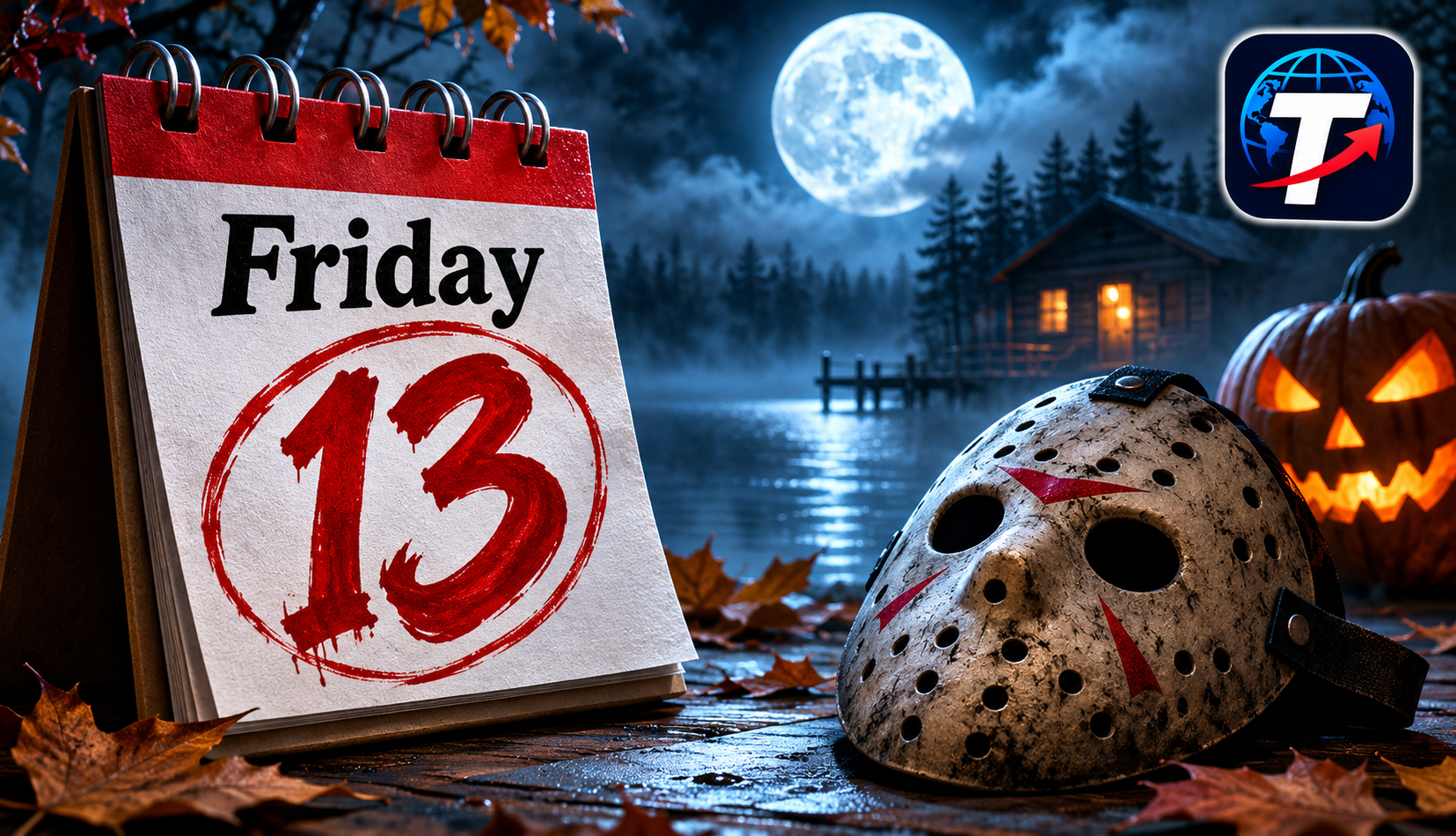
Friday, November 13, 2026, has arrived, bringing familiar superstitions, jokes, horror movie references, and social media celebrations.
Across the United States, people are sharing messages saying “Happy Friday the 13th,” turning a traditionally unlucky date into an opportunity for humor and entertainment. But what makes this particular Friday the 13th different, and why has the date fascinated people for generations?
The answer combines an unusual calendar coincidence, centuries of folklore, and the enduring popularity of horror culture.
Why Is Friday the 13th Trending Today?
November 13, 2026, falls on a Friday, creating the combination long associated with bad luck in Western superstition.
For some people, the date inspires caution. Others consider it an amusing tradition that deserves funny messages, memes, and horror-themed activities.
Social media allows these different reactions to spread quickly. People share jokes about avoiding ladders, broken mirrors, black cats, and other familiar symbols of bad luck.
Some celebrate the occasion by watching horror movies or wearing Friday the 13th-themed clothing. Others simply use the phrase “Happy Friday the 13th” as a playful greeting.
The date has become a recurring cultural event rather than just an old superstition.
What Makes Friday the 13th in 2026 Special?
The year 2026 contains three Fridays that fall on the 13th day of the month.
They occur on:
- February 13, 2026.
- March 13, 2026.
- November 13, 2026.
November 13 is therefore the third and final Friday the 13th of the year. Three is the maximum number of Friday the 13ths that can occur in a single year under the Gregorian calendar.
The previous year with three Friday the 13ths was 2015. This unusual calendar pattern gives November 13, 2026, an additional point of interest.
However, there is nothing supernatural about the coincidence. It results from the mathematical structure of the calendar.
Why Is Friday the 13th Considered Unlucky?
The belief that Friday the 13th brings bad luck developed through a combination of religious traditions, folklore, and cultural associations.
The number 13 has been considered unlucky in certain Western traditions for centuries. In some Christian interpretations, the number is associated with the Last Supper, where Jesus and his twelve disciples were present.
Friday also acquired negative associations in some Christian traditions because of the crucifixion of Jesus. Over time, these separate beliefs became connected.
However, historians do not agree on a single, clearly documented origin for the modern Friday the 13th superstition. The popular explanation involving the arrest of the Knights Templar on Friday, October 13, 1307, is another frequently repeated story.
Although the arrests were a historical event, the idea that they created the modern superstition is not firmly established.
Is Friday the 13th Actually Unlucky?
There is no credible scientific evidence that the date itself causes bad luck. A calendar date cannot independently cause accidents, financial problems, or unfortunate events.
However, beliefs can influence behavior. Someone convinced that Friday the 13th is dangerous might become more anxious, avoid important activities, or pay greater attention to unexpected problems.
Psychologists sometimes describe related patterns through concepts such as confirmation bias. When people expect something bad to happen, they may remember negative events more easily and overlook ordinary or positive experiences.
This can reinforce a superstition even without supporting evidence.
What Is the Fear of Friday the 13th Called?
The fear of Friday the 13th is commonly known as paraskevidekatriaphobia.
Another term sometimes used is friggatriskaidekaphobia.
Both refer specifically to fear associated with Friday the 13th.
A related word, triskaidekaphobia, describes fear of the number 13 itself.
For most people, the date is merely an entertaining superstition.
However, individuals with strong phobias may experience genuine anxiety around particular dates or numbers.
How Did Friday the 13th Become a Horror Movie Tradition?
Much of the date’s modern popularity comes from the entertainment industry. The 1980 horror movie Friday the 13th helped transform the superstition into a recognizable part of popular culture.
The film launched a franchise associated with Camp Crystal Lake and the fictional killer Jason Voorhees. Over the years, the movies became a major reference point for horror fans.
Today, Friday the 13th is closely associated with scary movie marathons, themed entertainment, costumes, and online discussions.
The franchise also introduced younger generations to the superstition through entertainment rather than traditional folklore.
How Are Americans Celebrating Friday the 13th?
Despite its unlucky reputation, many Americans treat Friday the 13th as a fun cultural occasion.
Common activities include watching horror films, sharing memes, discussing ghost stories, and posting playful messages online.
Some tattoo studios have also developed a tradition of offering special Friday the 13th flash tattoo designs. For other people, the day is simply another Friday and an opportunity to look forward to the weekend.
The contrast between fear and celebration explains why the date remains so recognizable.
Final Thoughts
Friday, November 13, 2026, combines an unusual calendar pattern with one of the most recognizable superstitions in Western culture.
As the third Friday the 13th of the year, the date has attracted renewed interest online.
But despite centuries of folklore, there is no scientific reason to believe that November 13 is inherently more dangerous than any other day.
Whether people celebrate with horror movies, funny messages, or ordinary weekend plans, Friday the 13th remains a fascinating example of how traditions evolve through generations.
So, for those who enjoy the occasion: Happy Friday the 13th!